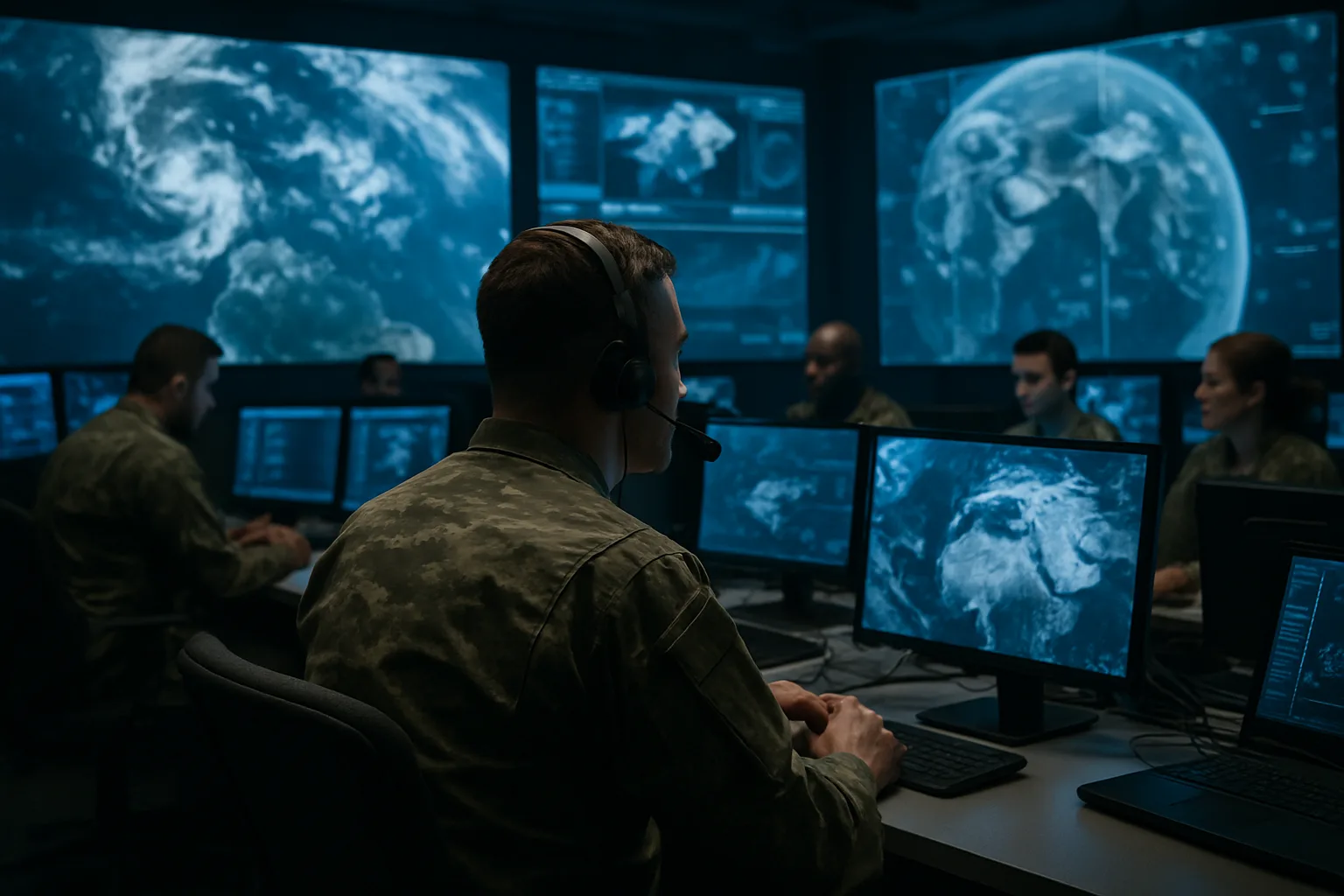
The recent deployment of military assets into space by the United States has significant implications for global security. This move represents a shift in defense strategies, potentially impacting international relations and military dynamics.
The placement of weapons in space indicates a growing recognition of space as a vital domain for national defense. The development of space-based systems not only enhances capabilities but also introduces complexities in the balance of power.
Experts suggest that the U.S. aims to deter potential adversaries by showcasing its ability to project power from space. This approach may deter conflict in various regions, yet it simultaneously increases the risk of tensions among nations.
As nations observe the U.S. actions, there could be repercussions in terms of arms races and the militarization of outer space. The likelihood of miscalculations during conflicts could escalate if states perceive a threat from space-based systems.
In response to the shifting dynamics, other countries may accelerate their space programs, potentially leading to a more complicated atmosphere of competition. The international community may also call for dialogue and treaties to mitigate risks associated with the militarization of space.
The future of space remains uncertain as more nations venture into capabilities that could alter the existing order. Ongoing surveillance and intelligence operations may become more critical as military interests grow in orbit.
Ultimately, how the global community addresses these developments will play a pivotal role in shaping the future of international security, ensuring that space remains a domain for exploration rather than conflict.
First reported by news.google.com .